
 Hormone Health Test
 Weight Loss Questionnaire
 Make an Appointment
A Highly Effective Treatment for Endometriosis
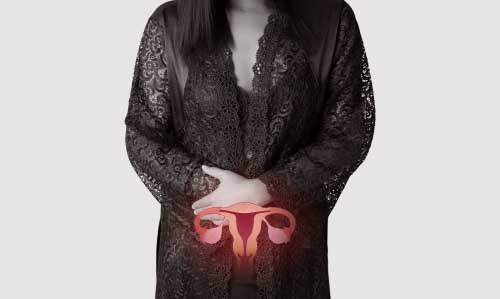
A disorder involving abnormal development of endometrial implants outside the uterus, endometriosis affects about one out of every 11 American women between the ages of 15 and 45. The U.S. Office on Women’s Health reports it is more commonly diagnosed in women in their 30s and 40s who may be entering perimenopause. In addition to pelvic pain, heavy periods, gastrointestinal problems, and discomfort during sex, endometriosis is a leading cause of infertility among reproductive-aged women.1
What Are Endometrial Implants?
Tissues lining the inside of the uterus are collectively called the endometrium. Although it is not unusual for a minimal amount of endometrial tissue to spread beyond the uterus into the pelvic area, it becomes problematic when misplaced tissue thickens and spreads over time. Endometrial implants are clumps of broken-down endometrial tissue that can become painful and inflamed. If severe enough, endometriosis may lead to scarring and adhesions that bind pelvic organs together.2
The American Society for Reproductive Medicine describes four stages of endometriosis:3
- Stage 1: Few endometrial implants, no scarring, and no symptoms.
- Stage 2: More implants, mild scarring, and mild symptoms.
- Stage 3: Numerous deep endometrial implants accompanied by ovarian cysts and adhesions.
- Stage 4: Widespread implants, thick adhesions, and large ovarian cysts that usually cause noticeable symptoms.
In some cases, endometriosis may remain at one stage and never worsen. In other cases, it may improve on its own. Doctors are not sure why women experience different stages of endometriosis, but they believe it may involve hormonal changes associated with menstrual cycles and perimenopause.
Doctors often treat Stage 1 or Stage 2 endometriosis with prescription or over-the-counter pain relievers to ease painful menstrual cramps. Women with Stage 3 or Stage 4 endometriosis may need laparoscopic surgery to remove endometrial implants. For women who do not want to become pregnant, hysterectomy may be an option to help eliminate endometriosis symptoms.4
Bioidentical Hormone Replacement Therapy (BHRT) for Endometriosis
Since many women diagnosed with endometriosis are in their 30s and trying to get pregnant, BHRT is often discussed as an option for reducing symptoms and slowing growth of endometrial tissue. Research suggests that stabilizing hormonal fluctuations during the menstrual cycle may help prevent development of new endometrial implants and could support successful outcomes of assisted reproductive technologies like IVF or IUI.5
Women opting for standard hormone therapy to treat endometriosis may face increased risks associated with certain treatments, including breast cancer, blood clots, and heart disease. Longitudinal research has reported that some women taking synthetic hormones for endometriosis or menopause symptoms experience increased incidences of stroke, vaginal bleeding, and loss of bone density.6
Extracted from plant estrogens and composed of molecules designed to be chemically identical to hormones produced by your body, bioidentical hormones are often presented as a therapy option with a different risk profile than some synthetic hormones. Some clinicians believe this may be related to how readily bioidentical hormone molecules bind to receptors intended for naturally produced hormones.7
Premarin and other commonly prescribed replacement hormones contain estrogens derived from the urine of pregnant mares. These types of estrogens are not naturally found in the human body and, therefore, are not designed to be accepted by cells in the same way as endogenous hormones. Although research is ongoing, some endocrinologists speculate that reduced receptor compatibility with certain synthetic hormones may contribute to systemic inflammation and chronic disease development.
If you have been diagnosed with endometriosis, call us today to learn more about the potential benefits of BHRT for treating endometriosis symptoms and infertility associated with endometriosis.
Frequently Asked Questions
What are common symptoms of endometriosis?
Common symptoms may include pelvic pain, heavy periods, painful intercourse, gastrointestinal discomfort, and fertility challenges. Symptoms vary widely from person to person.
Can endometriosis affect fertility?
Yes. Endometriosis is a leading cause of infertility in reproductive-aged women, although many women with endometriosis can still conceive with appropriate medical care and treatment planning.
How is endometriosis usually treated?
Treatment may include pain relievers, hormone-based therapies, laparoscopic surgery, and in some cases hysterectomy, depending on symptom severity, stage, and fertility goals.
Can BHRT help with endometriosis symptoms?
BHRT may be considered in some treatment plans to help manage hormonal fluctuations and symptoms. Treatment decisions should always be individualized and guided by a qualified healthcare professional.
References
- endometriosis symptoms causes and Treatment Overview (Office on Women’s Health)
- endometriosis overview and symptoms guide (MedicineNet)
- endometriosis and infertility stages and patient fact sheet (ASRM ReproductiveFacts)
- endometriosis treatment options and surgery overview (Michigan Medicine)
- endometriosis hormone management and reproductive outcomes research (Journal of Clinical Endocrinology & Metabolism)
- postmenopausal hormone therapy risks and facts sheet (NHLBI)
- bioidentical hormone therapy evidence review (NIH PMC)